
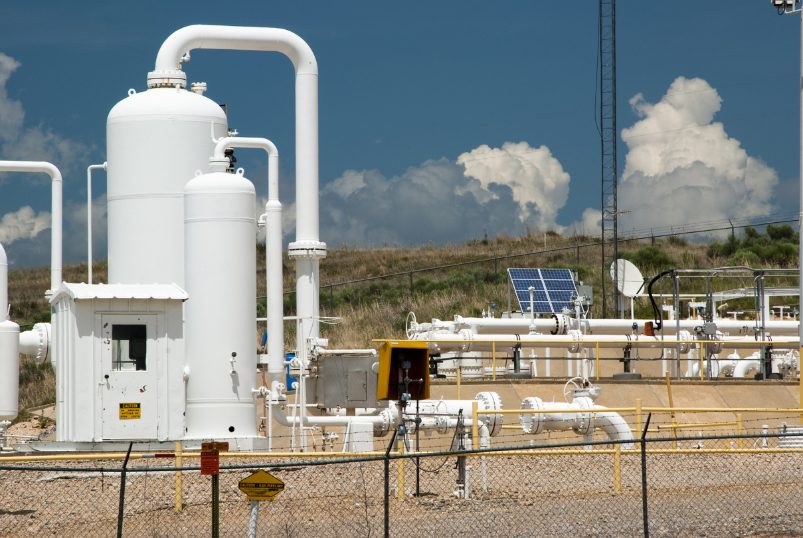
Gas testing & gas purging.
Tightness testing, purging, commissioning and decommissioning of commercial gas installations, carried out under control by Gas Safe registered engineers and fully documented.
Why purging matters
Purging makes maintenance, installation or decommissioning safe to carry out by removing the risk of fire, explosion and exposure to gas. Decommissioning should be planned with a full risk assessment and an emergency plan.
What gas purging involves
An inert gas is introduced at a controlled pressure and flow rate to reduce the concentration of fuel gas, and the engineer uses calibrated instruments to confirm the pipework is safe.
- Direct purging: an inert gas such as nitrogen displaces the natural gas
- Indirect purging: the mixture is safely vented once tested
Gas tightness testing
A tightness test checks that existing pipework is sound, gas flows at the required pressure and the installation complies with the Gas Safety (Installation and Use) Regulations 1998. It must be carried out by a Gas Safe engineer authorised to issue a gas safety certificate, which most insurers require every year.
Who can carry out purge testing
Purging must be done by trained, Gas Safe registered engineers. Ours use current gas detection equipment and work on commercial gas networks in public and private sector buildings, 7 days a week.
Related services.
One specialist partner for every stage of the gas package.
Need commercial gas engineering support for your next project?
Tell us about the site, the scope and the programme. We'll come back to you with next steps.